Buy shemalevideos.eu ?
We are moving the project
shemalevideos.eu .
Are you interested in purchasing the domain
shemalevideos.eu ?
domain@kv-gmbh.de · 0541-91531010
Buy shemalevideos.eu ?
Is the oil extraction process legitimate or not?
The legitimacy of the oil extraction process depends on various factors such as adherence to environmental regulations, respect for indigenous rights, and the impact on local communities. If the extraction process follows strict environmental regulations, respects the rights of indigenous peoples, and benefits local communities through job creation and economic development, it can be considered legitimate. However, if the process involves environmental degradation, human rights abuses, or unfair distribution of benefits, it would not be considered legitimate. It is important to assess each oil extraction project on a case-by-case basis to determine its legitimacy. **
Is the extraction of duck preen gland oil harmful to the animals?
The extraction of duck preen gland oil can be harmful to the animals if not done properly. The preen gland, located near the base of the duck's tail, produces oil that the duck uses to preen its feathers and keep them waterproof. If the extraction process is not done carefully, it can cause discomfort or injury to the duck. However, when done by experienced professionals using ethical and humane methods, the extraction of preen gland oil can be done without causing harm to the animals. **
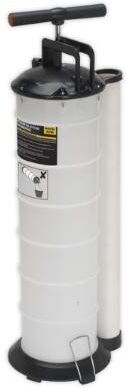
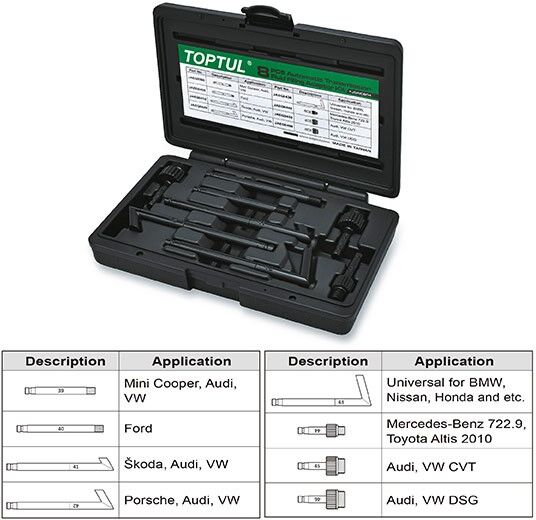
Similar search terms for SEALEY-S01169-Oil-Extraction
Top-Angebote
Products related to SEALEY-S01169-Oil-Extraction:
-
SEALEY VS2000D Oil DipstickQuantity: 3; Length 1 [mm]: 920; Length 2 [mm]: 930; Length 3 [mm]: 1200; Construction Year from: 1988; Construction Year to: 2006; Colour: blue, green, red; Tool handle surface: Plastic-coated; Material: Spring Steel; Engine Code: 103, 104, 111, 112, 113, 119, 120, 137, 271, 272, 604, 605, 606, 611, 612, 613, 628, 642, 646, 647, 648; Transmission Code: 716.5, 722.7, 722.8, 722.660,49 £*Shipping: 8,45 £Secure redirect to the provider


-
How does the separation process work in coffee production, edible oil extraction, and car recycling?
In coffee production, the separation process involves removing the coffee beans from the cherry fruit, followed by separating the beans from the pulp and skin. This is typically done using water or fermentation methods. In edible oil extraction, the separation process involves extracting the oil from the seeds or fruits through pressing or solvent extraction methods. The oil is then separated from the solid components, such as the seed or fruit pulp, through processes like centrifugation or filtration. In car recycling, the separation process involves dismantling the car into its various components, such as metal, plastic, glass, and rubber. These components are then sorted and separated using techniques like shredding, magnetic separation, and manual sorting. This allows for the recycling and reuse of the different materials in the car. **
-
What is extraction?
Extraction is the process of removing a substance from a mixture using a solvent. This technique is commonly used in chemistry and biology to isolate and purify specific compounds from a complex mixture. **
-
Is partial root extraction faster?
Yes, partial root extraction is generally faster than full root extraction. This is because only a portion of the root needs to be removed, which requires less time and effort compared to extracting the entire root. Additionally, partial root extraction may result in less trauma to the surrounding tissues, leading to a quicker recovery time for the patient. However, the exact speed of the procedure can vary depending on the complexity of the case and the skill of the dentist performing the extraction. **
-
What is a tooth extraction?
A tooth extraction is a dental procedure in which a tooth is removed from its socket in the bone. This may be necessary if a tooth is severely damaged, decayed, infected, or causing crowding in the mouth. The procedure is typically performed by a dentist or oral surgeon using local anesthesia to numb the area and minimize discomfort. After the extraction, the patient may experience some pain and swelling, but these symptoms can usually be managed with over-the-counter pain medication and proper care. **

Can bioethanol be used for extraction?
Yes, bioethanol can be used for extraction purposes. It is commonly used as a solvent in the extraction of various compounds from plant materials, such as essential oils, flavors, and fragrances. Bioethanol is a renewable and environmentally friendly solvent, making it a popular choice for extraction processes in industries such as food, pharmaceuticals, and cosmetics. Its ability to dissolve a wide range of compounds makes it a versatile option for extraction purposes. **
How does partial root extraction work?
Partial root extraction is a dental procedure where only a portion of a tooth's root is removed, typically to address a specific issue such as infection or damage. This technique allows the dentist to preserve as much of the natural tooth structure as possible while still addressing the problem at hand. After the partial root extraction, the remaining portion of the tooth's root is typically sealed to prevent further issues and the tooth may be restored with a crown or filling. This approach can help maintain the stability and function of the tooth while addressing the underlying issue. **
Top-Angebote
Products related to SEALEY-S01169-Oil-Extraction:
-
SEALEY VS2000D Oil DipstickQuantity: 3; Length 1 [mm]: 920; Length 2 [mm]: 930; Length 3 [mm]: 1200; Construction Year from: 1988; Construction Year to: 2006; Colour: blue, green, red; Tool handle surface: Plastic-coated; Material: Spring Steel; Engine Code: 103, 104, 111, 112, 113, 119, 120, 137, 271, 272, 604, 605, 606, 611, 612, 613, 628, 642, 646, 647, 648; Transmission Code: 716.5, 722.7, 722.8, 722.660,49 £*Shipping: 8,45 £Secure redirect to the provider
-
Is the oil extraction process legitimate or not?
The legitimacy of the oil extraction process depends on various factors such as adherence to environmental regulations, respect for indigenous rights, and the impact on local communities. If the extraction process follows strict environmental regulations, respects the rights of indigenous peoples, and benefits local communities through job creation and economic development, it can be considered legitimate. However, if the process involves environmental degradation, human rights abuses, or unfair distribution of benefits, it would not be considered legitimate. It is important to assess each oil extraction project on a case-by-case basis to determine its legitimacy. **
-
Is the extraction of duck preen gland oil harmful to the animals?
The extraction of duck preen gland oil can be harmful to the animals if not done properly. The preen gland, located near the base of the duck's tail, produces oil that the duck uses to preen its feathers and keep them waterproof. If the extraction process is not done carefully, it can cause discomfort or injury to the duck. However, when done by experienced professionals using ethical and humane methods, the extraction of preen gland oil can be done without causing harm to the animals. **
-
How does the separation process work in coffee production, edible oil extraction, and car recycling?
In coffee production, the separation process involves removing the coffee beans from the cherry fruit, followed by separating the beans from the pulp and skin. This is typically done using water or fermentation methods. In edible oil extraction, the separation process involves extracting the oil from the seeds or fruits through pressing or solvent extraction methods. The oil is then separated from the solid components, such as the seed or fruit pulp, through processes like centrifugation or filtration. In car recycling, the separation process involves dismantling the car into its various components, such as metal, plastic, glass, and rubber. These components are then sorted and separated using techniques like shredding, magnetic separation, and manual sorting. This allows for the recycling and reuse of the different materials in the car. **
-
What is extraction?
Extraction is the process of removing a substance from a mixture using a solvent. This technique is commonly used in chemistry and biology to isolate and purify specific compounds from a complex mixture. **
Similar search terms for SEALEY-S01169-Oil-Extraction
-
Is partial root extraction faster?
Yes, partial root extraction is generally faster than full root extraction. This is because only a portion of the root needs to be removed, which requires less time and effort compared to extracting the entire root. Additionally, partial root extraction may result in less trauma to the surrounding tissues, leading to a quicker recovery time for the patient. However, the exact speed of the procedure can vary depending on the complexity of the case and the skill of the dentist performing the extraction. **
-
What is a tooth extraction?
A tooth extraction is a dental procedure in which a tooth is removed from its socket in the bone. This may be necessary if a tooth is severely damaged, decayed, infected, or causing crowding in the mouth. The procedure is typically performed by a dentist or oral surgeon using local anesthesia to numb the area and minimize discomfort. After the extraction, the patient may experience some pain and swelling, but these symptoms can usually be managed with over-the-counter pain medication and proper care. **
-
Can bioethanol be used for extraction?
Yes, bioethanol can be used for extraction purposes. It is commonly used as a solvent in the extraction of various compounds from plant materials, such as essential oils, flavors, and fragrances. Bioethanol is a renewable and environmentally friendly solvent, making it a popular choice for extraction processes in industries such as food, pharmaceuticals, and cosmetics. Its ability to dissolve a wide range of compounds makes it a versatile option for extraction purposes. **
-
How does partial root extraction work?
Partial root extraction is a dental procedure where only a portion of a tooth's root is removed, typically to address a specific issue such as infection or damage. This technique allows the dentist to preserve as much of the natural tooth structure as possible while still addressing the problem at hand. After the partial root extraction, the remaining portion of the tooth's root is typically sealed to prevent further issues and the tooth may be restored with a crown or filling. This approach can help maintain the stability and function of the tooth while addressing the underlying issue. **
* All prices are inclusive of VAT and, if applicable, plus shipping costs. The offer information is based on the details provided by the respective shop and is updated through automated processes. Real-time updates do not occur, so deviations can occur in individual cases. ** Note: Parts of this content were created by AI.